
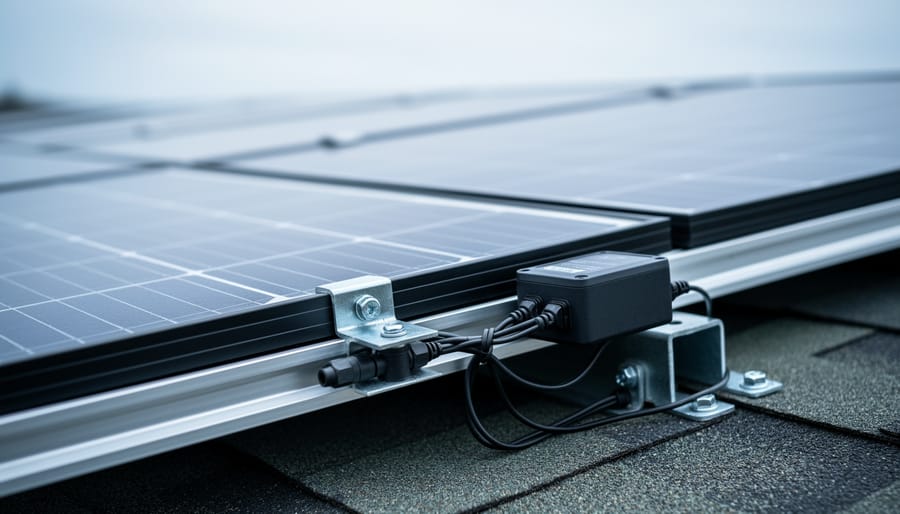
A solar optimizer is a small electronic device attached to each solar panel that fine-tunes the power that panel produces before it travels to your inverter. Think of it as a personal coach for every panel on your roof. Without one, panels in a string work like a line of people carrying a heavy pipe together, and the weakest carrier sets the pace. With optimizers, each panel performs at its own best level, even when its neighbour is struggling.
That matters in Ontario, where a chimney, a dormer, a neighbour’s maple, or a dusting of snow can shade part of a roof for hours. One shaded panel can drag down the output of the whole string, and optimizers help limit that loss while also giving you panel-by-panel monitoring. This guide explains how optimizers work in plain terms, the types you’ll come across, how they compare with other options, and when they make sense for homes and businesses across the province. Our goal is simple: help you get more clean, local energy from every square foot of your roof, so you can talk with certified Ontario installers about a system that fits your property.
What a Solar Optimizer Means for Your Panels
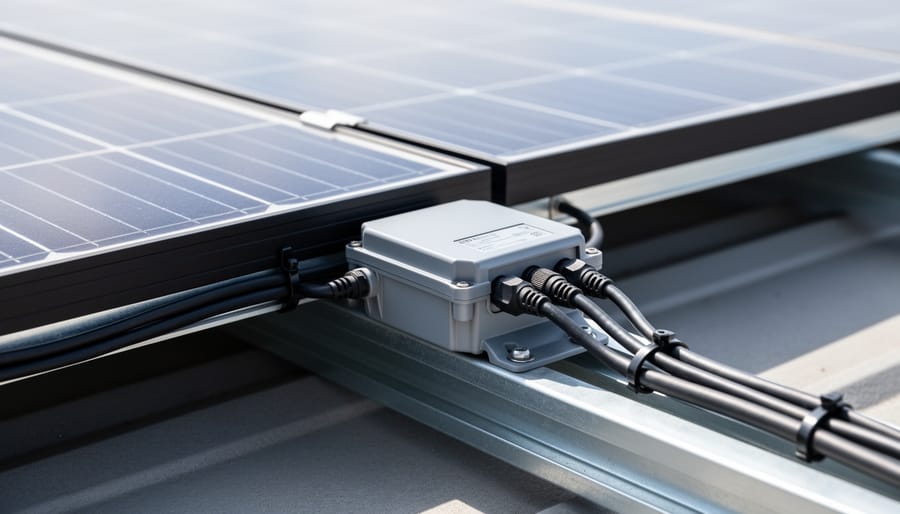
A solar optimizer is a small electronic device, usually about the size of a paperback book, that attaches to the back of an individual solar panel. Its job is simple: help that panel produce as much usable electricity as it can, no matter what’s happening to the panels around it. That’s the heart of Solar Panel Optimization, getting the most clean energy out of every panel you’ve installed.
Here’s the problem it solves. In a basic setup, panels are wired together in a “string,” a bit like holiday lights on one strand. When one panel is shaded by a tree branch, a chimney, or a layer of dust, it can drag down the output of the entire string. Keeping your array tidy by learning how to clean solar panels safely helps, but you can’t always control shade or uneven snow melt. An optimizer lets each panel work at its own best level instead.
A few terms will help as you read on:
- Solar optimizer
- A small device on each panel that fine-tunes that panel’s power before it travels to the inverter.
- Inverter
- The box that converts the DC (direct current) power your panels make into AC (alternating current) power your home uses.
- String
- A group of panels wired together in a line, sharing one electrical path.
- Shading loss
- The drop in electricity that happens when shade or dirt blocks sunlight from reaching part of a panel.
- Panel-level monitoring
- A way to see how much power each individual panel is producing, rather than just the system total.
Think of the optimizer as a personal coach for each panel, helping it perform at its best while the rest of the team keeps going.
How a Solar Optimizer Works, Step by Step
What Happens Without an Optimizer
In a traditional string setup, your solar panels are wired together in a row, much like old-fashioned holiday lights. That’s a simple, proven design, and it works well on open, sunny roofs. The panels share one electrical path, so they tend to produce at the level of the weakest link.
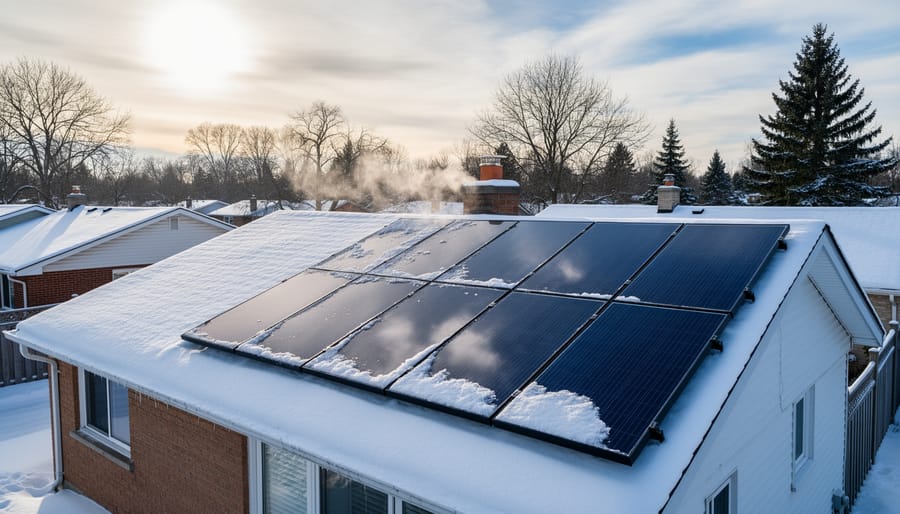
Here’s where it gets interesting. If a tree branch, a chimney shadow, or a patch of dirt covers part of just one panel, that panel slows down. Because the group is connected, the whole string can slow down with it. A little shade on one panel can trim the output of several others.
This is especially noticeable in Ontario, where drifting snow, falling leaves, and low winter sun can create uneven conditions. If you’re curious how panels work in winter you’ll see why partial coverage matters so much.
What Changes With One
With an optimizer on each panel, the system stops treating your array as one big group. Each optimizer constantly adjusts its own panel to the best working level, so a shaded or snow-dusted panel can slow down without dragging its neighbours along with it. The sunny panels keep producing at full strength, which means you get more usable electricity from the same roof.
There’s a second perk that many homeowners come to appreciate: visibility. Because every optimizer reports on its own panel, you can open a monitoring app and see what each one is producing. If a panel is underperforming, you’ll know which one and can spot the cause, whether that’s a branch that has grown in, a patch of leaves, or lingering snow, instead of guessing why your total output dipped.
Types of Solar Optimizers and Related Solar Panel Optimization Options
When people ask what a solar optimizer is, they’re often really asking which setup is right for their roof. Solar Panel Optimization isn’t a single product. It’s a range of options, and each one handles the “weakest panel” problem a little differently.
Here’s a plain-language look at the main choices:
- Power optimizers: Small devices on the back of each panel that fine-tune its output before sending power to one central inverter. They suit roofs with partial shade, mixed angles, or plans to expand later.
- Microinverters: Tiny inverters on each panel that convert power right there, so every panel works independently. They’re often compared with optimizers and suit complex roofs or smaller systems.
- String inverters: One central unit that handles all the panels with no panel-level adjustment. They’re simple and usually the lowest cost, which works well on open, unshaded roofs.
- Monitoring software: An app or online dashboard showing how your system is performing. Panel-level monitoring comes with optimizers and microinverters, so you can spot a struggling panel quickly.
None of these is “best” for everyone. A straightforward south-facing roof with no trees may do very well with a string inverter. A home surrounded by mature maples, or a roof split between east and west faces, often gets more from panel-level options.
A few practical points can help you compare:
Power optimizers and microinverters both give you panel-by-panel data, but they’re built differently. Optimizers keep the main inverter in one easy-to-reach spot, while microinverters spread that equipment across the roof.
If you’re thinking about adding solar battery storage down the road, it’s worth mentioning during planning, since your inverter choice can affect how smoothly a battery fits in.
Ontario’s mix of snowy winters, leafy summers, and varied rooflines makes this a very local decision. A certified local installer can look at your shading, roof layout, and goals, then recommend the right fit. That’s exactly why comparing a few quotes before you commit is so helpful.
Where Solar Optimizers Are Used: Homes, Businesses, and Tricky Roofs
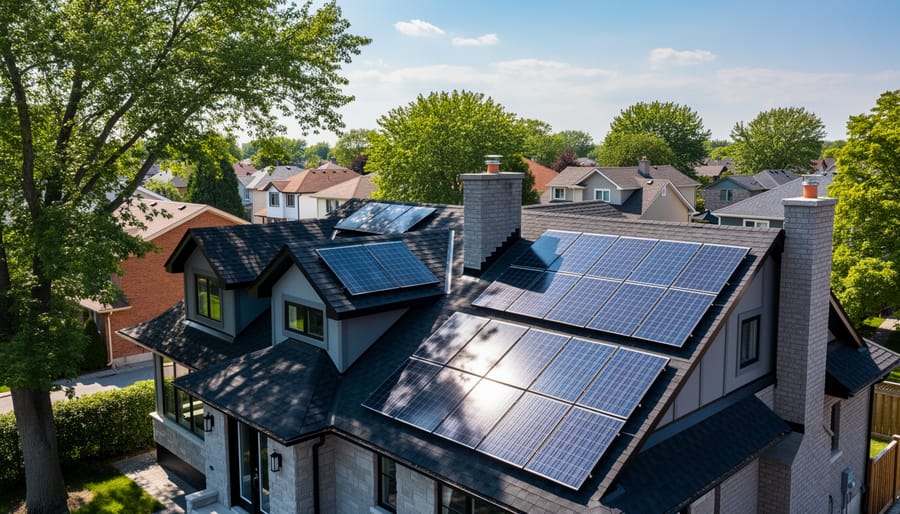
Solar optimizers earn their keep on roofs that aren’t perfectly sunny, and across Ontario that describes plenty of properties. A tall maple in the backyard, a chimney, a dormer or a neighbour’s two-storey addition can all drop a moving shadow across part of your array. Because each optimizer manages its own panel, one shaded panel doesn’t drag down the rest.
Here are the situations where optimizers tend to shine:
- Partial shade from trees, chimneys, vents, or nearby buildings
- Complex roof layouts with several sections, angles, or dormers
- Mixed panel orientations, such as east- and west-facing roof planes
- Plans to add more panels later as your needs grow
- A desire to see exactly how each panel is performing
Businesses benefit too. Commercial rooftops are often crowded with vents, HVAC units, and equipment that cast shadows at different times of day. Optimizers help each panel make the most of the light it gets, so you’re not limited by the weakest spot on the roof.
They also fit neatly with the bigger picture. If you’re considering battery storage or an EV charger, steadier panel output means more reliable clean energy flowing into your home, your battery, and your car. CANBIO helps customers explore these combinations and connect with certified installers who can design them properly.
Then there’s the visibility. Panel-level monitoring lets you spot a problem early, whether it’s a leaf pile, a patch of snow that won’t slide off, or a panel that’s simply underperforming. That makes routine solar panel maintenance much easier to plan, because you know exactly where to look instead of guessing.
As one Ontario installer often tells homeowners, “The first time customers open their monitoring app and see every panel on screen, they finally understand what their roof is really doing.” That clarity is a big part of why many people choose optimizers in the first place.
Common Questions About Solar Optimizers
Most homeowners ask the same handful of questions before they decide, so here are honest answers to them.
Do I need optimizers on every solar system?
No. A roof with full sun and no shade can do well with a standard string setup. Optimizers tend to help most where trees, chimneys, or mixed roof angles cause uneven sunlight.
Do optimizers add cost, and is it worth it?
Yes, they add some upfront cost, since you’re buying a small device for each panel. The question is whether extra output and panel-level monitoring on your particular roof make up for it, which is easier to judge once you see side-by-side quotes.
How long do they last, and what warranties are typical?
Many optimizers are built to last for years alongside your panels, and warranties vary by brand. Ask each installer for the exact warranty terms in writing so you can compare them fairly.
Can optimizers be added later?
Sometimes, but it depends on your existing equipment and how it’s wired. It’s usually simpler to decide before installation, so mention any plans to expand when you request quotes.
Do they work in Ontario’s cold winters and snow?
Optimizers are designed for outdoor conditions, and cold, clear days are actually good for solar performance. When snow melts unevenly across a roof, panel-level adjustment can help the uncovered panels keep producing.
How do I get an accurate recommendation?
The best answer comes from someone who has assessed your roof, shading, and energy goals in person. Comparing quotes from certified local installers lets you see which setup each one recommends and why.
If you’re still weighing your options, that last step matters most. Every roof is different, and an installer who knows Ontario’s weather and shading patterns can tell you plainly whether optimizers make sense for you.
A solar optimizer is a small device on each panel that helps it perform at its best, even when shade, snow, or an awkward roof angle gets in the way. The payoff is steadier output and a clear view of how every panel is doing, which means more clean energy from the system you’ve invested in.
If you’re wondering whether optimizers suit your property, the easiest next step is to request competitive quotes through CANBIO. Certified Ontario installers know local roofs, weather, and shading, and they’ll recommend what makes sense for you.
Leave a Reply