
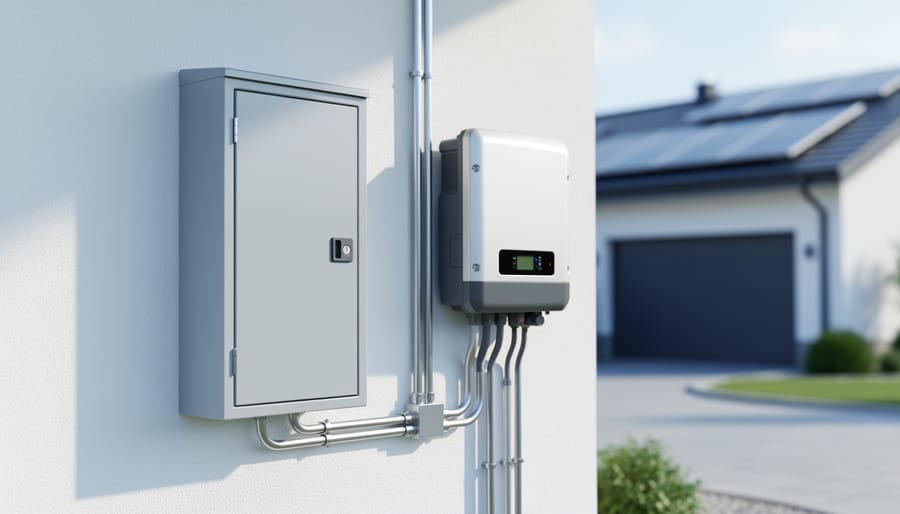
Relocating an electrical panel before installing solar requires hiring a licensed electrician to move the main service panel to a code-compliant location, obtaining the necessary permits from the Electrical Safety Authority, and ensuring proper clearances around the new installation site. The process typically involves coordinating with your local utility, upgrading wiring as needed, and passing a final inspection before your solar project can proceed.
Many Ontario homeowners discover their existing electrical panel sits exactly where solar equipment needs to go, or lacks the required working space for safe maintenance once solar components are added. What starts as excitement about going solar quickly turns into questions about moving a piece of equipment that powers your entire home. The good news? Panel relocation is a well-established procedure that certified electricians handle regularly, and planning for it early prevents delays in your solar timeline.
Understanding why relocation matters goes beyond just making physical space. Ontario’s electrical code mandates specific clearances and access requirements that protect both homeowners and the technicians who will service your system for decades to come. When your panel occupies space needed for inverters, disconnect switches, or simply blocks the required work zone, relocation becomes a necessary first step rather than an optional upgrade.
The key to a smooth relocation lies in approaching it systematically. You’ll need to assess your current setup, understand what your solar installation demands, work with qualified professionals who know Ontario’s regulatory landscape, and budget both time and money for the transition. While the specifics vary based on your home’s age, service capacity, and the complexity of the move, the fundamental steps remain consistent across residential projects throughout the province.
Why Panel Relocation Matters for Your Solar Project
Your electrical panel’s current location might work fine for your home’s day-to-day power needs, but adding solar changes the equation. Solar installations introduce new equipment, inverters, disconnects, rapid shutdown devices, that must integrate safely with your existing electrical system. When your panel sits in the wrong spot, it can block the best roof placement for your array, create code violations, or make future maintenance difficult.
Ontario homeowners encounter panel relocation needs for several practical reasons:
- The panel occupies wall space needed for solar inverter or battery backup equipment
- Current location lacks the clearance required around electrical equipment during installation and servicing
- Panel placement limits roof access or creates safety hazards for installers working overhead
- Existing panel doesn’t meet updated Ontario Electrical Safety Code requirements when adding solar capacity
- Outdoor panels exposed to weather need indoor relocation to protect solar integration components
These scenarios aren’t failures of your original electrical work, most panels were installed before anyone imagined rooftop solar arrays. Your certified solar installer will identify these issues early in the site assessment. Addressing them upfront prevents mid-project delays and ensures your solar system integrates cleanly with your home’s power infrastructure. The relocation becomes part of creating a safer, more efficient energy system rather than just an obstacle to overcome.
How We Selected These Safety Steps
We developed this safety checklist by consulting Ontario’s Electrical Safety Code and working directly with ESA-certified electricians and solar installers across our CANBIO network. These professionals bring decades of combined experience navigating panel relocations for solar projects throughout the province.
Each step reflects requirements that licensed contractors routinely follow when relocating electrical panels in Ontario homes. We focused on the practical considerations homeowners need to understand: what regulatory compliance actually means for your project, which decisions require professional expertise, and how to avoid common delays or safety oversights.
Rather than offering generic electrical advice, we’ve grounded every recommendation in Ontario-specific regulatory context and real-world installation experience. This ensures you’re prepared for the process as it actually unfolds in our province, with clear guidance on working effectively with certified professionals who know local requirements inside and out.
1. Hire a Licensed Electrical Contractor (ESA Certification Required)
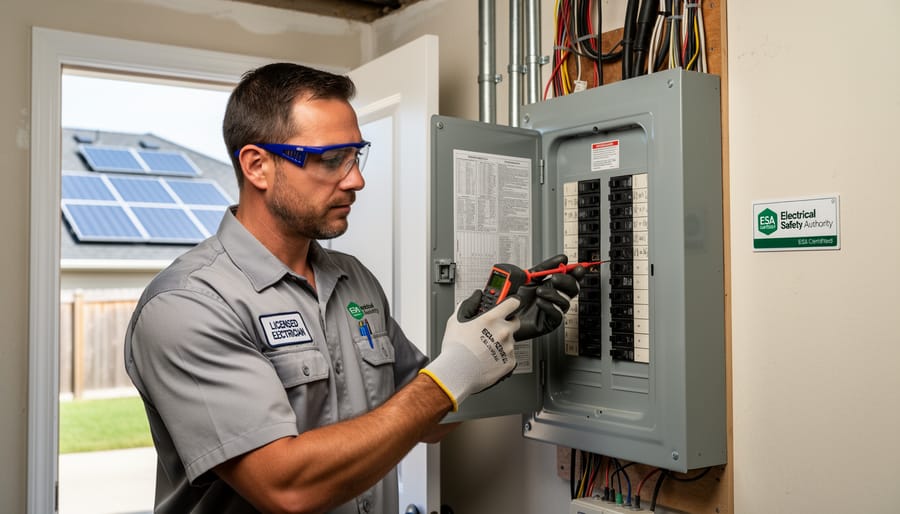
In Ontario, electrical panel relocation is legally restricted to licensed electrical contractors holding valid Electrical Safety Authority certification. This isn’t a suggestion or a best practice, it’s a legal requirement under provincial law, and attempting this work yourself or hiring an unlicensed individual creates serious safety hazards and potential liability.
When vetting contractors for your solar project, verify that they hold a current Master Electrician License issued by the ESA. Ask to see their license number and confirm its active status through the ESA’s online registry. A qualified contractor will provide this information readily and should carry liability insurance covering electrical work.
The ESA certification process ensures contractors understand Ontario’s electrical code, safety protocols, and proper installation techniques specific to our climate and building standards. These professionals know how to safely disconnect power, relocate heavy equipment, update grounding systems, and integrate the new panel location with your planned solar installation.
Your solar installer will likely recommend trusted electrical contractors they’ve worked with on similar projects, but you’re free to get multiple quotes. Just confirm that whoever you hire will coordinate directly with your solar team, the panel’s new location affects inverter placement, conduit runs, and overall system design.
Skipping this step or cutting corners on credentials puts your family at risk, voids equipment warranties, and creates headaches when the ESA inspector arrives. Licensed contractors complete the work correctly the first time, handle all permit applications, and ensure your electrical infrastructure is ready for decades of reliable solar energy production.
2. Obtain Required Permits Before Work Begins
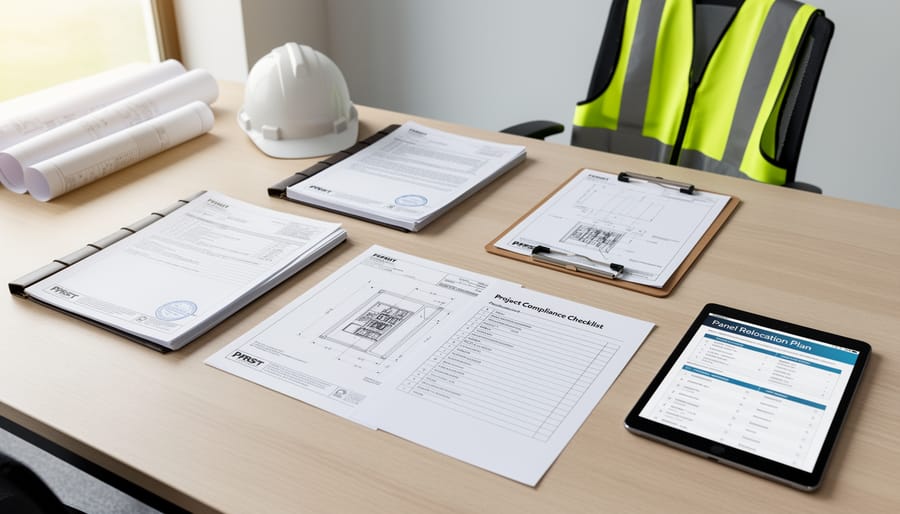
Before your electrician can relocate your panel, you need to navigate Ontario’s permit requirements. This step protects you legally and ensures your upgraded electrical system meets provincial safety standards.
Your licensed electrical contractor typically handles the permit application on your behalf, but understanding the process helps you plan appropriately. In Ontario, electrical work permits come through the Electrical Safety Authority (ESA), which oversees all electrical installations and modifications across the province. The permit formally authorizes the work and triggers the inspection process that validates compliance with the Ontario Electrical Safety Code.
When applying for a panel relocation permit, your contractor will need to provide:
- Detailed description of the work, including current and proposed panel locations
- Electrical load calculations showing capacity requirements
- Site plan indicating where the panel will be relocated
- Proof of contractor licensing and ESA registration
- Homeowner authorization and property information
Permit costs vary based on the scope of work and your municipality, so budget for this expense early in your solar planning. Your contractor can provide a realistic estimate based on your specific situation.
Timeline matters here. Permit processing takes time, and inspection appointments need to be scheduled around both the electrical work and your solar installation. Start this process early, ideally during your initial solar consultations, so permitting doesn’t delay your project. Most contractors factor permit timelines into their project schedules, but confirm this timeline when you receive quotes.
Never let work proceed without proper permits. Unpermitted electrical work creates liability issues, may void insurance coverage, and complicates future home sales.
3. Assess New Location for Code Compliance and Accessibility
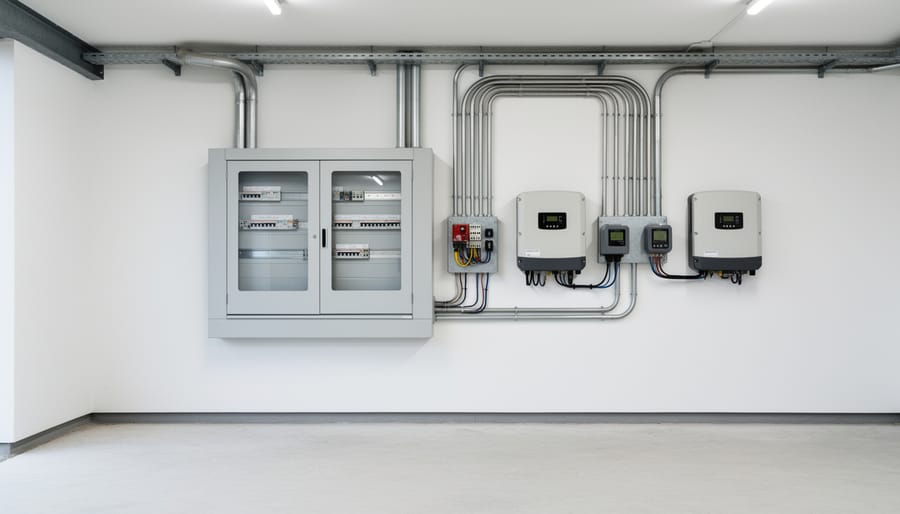
Choosing the right location for your relocated electrical panel isn’t just about convenience, it’s about meeting safety standards and ensuring your system works seamlessly with your solar installation. Your licensed contractor will evaluate several critical factors, working from Ontario Electrical Safety Code requirements that prioritize both immediate access and long-term functionality.
Accessibility stands at the top of the list. The panel must remain reachable for routine maintenance, emergency shutoffs, and future inspections. You can’t tuck it behind furniture, inside a finished closet, or anywhere that requires moving obstacles to reach it. Think about how electricians and inspectors will need clear, unobstructed access, not just today, but years from now when repairs or upgrades might be necessary.
Clearance requirements around the panel matter significantly. The code specifies working space in front of and around electrical equipment, though exact dimensions depend on the panel’s voltage rating and installation context. Your contractor will confirm these requirements for your specific setup rather than applying generic measurements.
Environmental conditions play a crucial role too. Panels shouldn’t face direct moisture exposure, extreme temperature swings, or corrosive conditions. Basements, garages, and utility rooms often work well, but each home presents unique considerations. If you’re planning solar battery storage alongside your panels, your contractor will coordinate placement to keep all components within optimal environmental ranges while maintaining proper clearances between systems.
Finally, the new location must integrate logically with your solar inverter placement and the path to your utility meter. Smart positioning during relocation simplifies the solar installation phase and creates a cleaner, more efficient system overall.
4. Schedule ESA Inspection at the Right Project Milestone
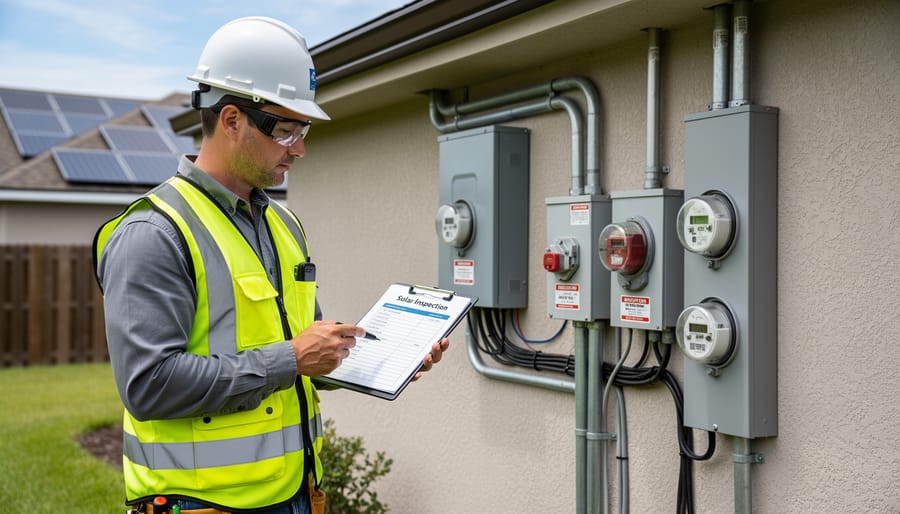
Your licensed electrical contractor will request an ESA inspection after the panel relocation work is complete but before the system is fully energized and closed up. This timing matters because inspectors need to verify connections, grounding, bonding, and code compliance while everything is still visible and accessible.
The inspection typically covers several key areas. Inspectors check that the new panel location meets accessibility requirements, verify proper wire sizing and terminations, examine grounding and bonding connections, and confirm that clearances around the panel allow safe operation and future maintenance. When solar equipment is part of the project, they’ll also verify that the high-voltage disconnect and any net metering connections are properly integrated.
Your electrician handles the inspection booking and knows what ESA inspectors expect, but you can help the process go smoothly. Make sure the work area is clear and well-lit on inspection day. Keep pets secured and ensure someone with knowledge of the project is available to answer questions if the inspector needs clarification.
Coordinate this timing carefully with both your electrician and solar installer. If the solar equipment installation depends on the relocated panel, scheduling the ESA inspection promptly prevents delays in completing your solar project. Your electrician will receive a Certificate of Inspection once everything passes, and you’ll need this documentation for your records and to proceed with final solar system commissioning.
5. Verify Compatibility with Solar Inverter and Metering Equipment
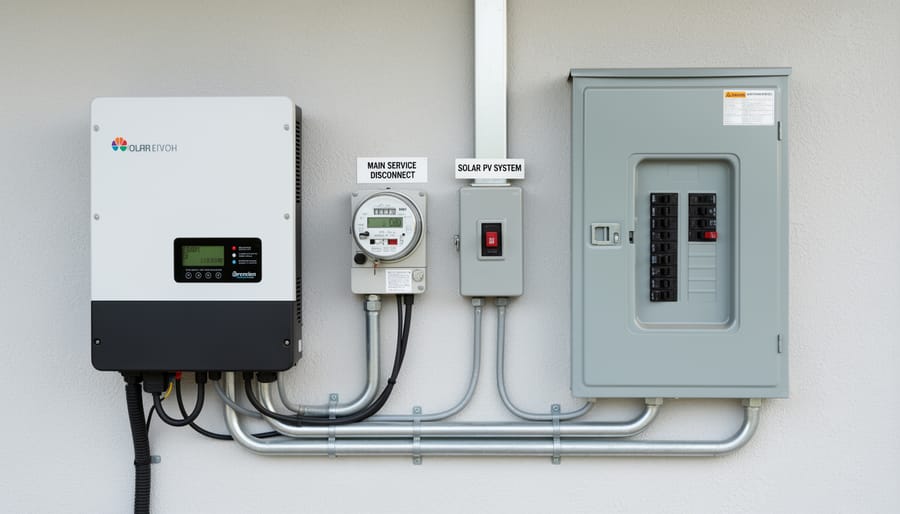
Your relocated electrical panel doesn’t work in isolation, it becomes the central hub connecting your home’s existing circuits, the new solar array, inverter equipment, and utility metering. Getting this integration right during the planning stage prevents expensive rework and ensures your system operates safely and efficiently.
Your solar installer will assess several compatibility factors when planning around a relocated panel. The panel’s amperage rating must handle both your household electrical load and the solar backfeed from the inverter. In many Ontario homes, this means confirming the panel can accommodate a dedicated solar breaker sized appropriately for your system’s output without exceeding the panel’s busbar rating.
The physical positioning matters too. Your installer needs clear access to install conduit runs between the panel and inverter location, which affects where the panel can practically be relocated. They’ll also verify the new panel location works with your utility’s net metering setup, the bidirectional meter that tracks power flowing to and from the grid needs proper integration with both the panel and inverter.
Grounding and bonding requirements add another layer. The relocated panel must maintain proper grounding to your home’s grounding electrode system, and the solar equipment introduces additional grounding considerations that your electrician and solar installer will coordinate.
Have this conversation early. Your solar installer should review the relocation plans before your electrician begins work, catching any integration issues while changes are still straightforward. This coordination, often a quick site visit or plan review, prevents the frustrating scenario where a relocated panel ends up in a spot that complicates the solar installation unnecessarily.
6. Plan for Temporary Power Shutdown and Safety Protocols
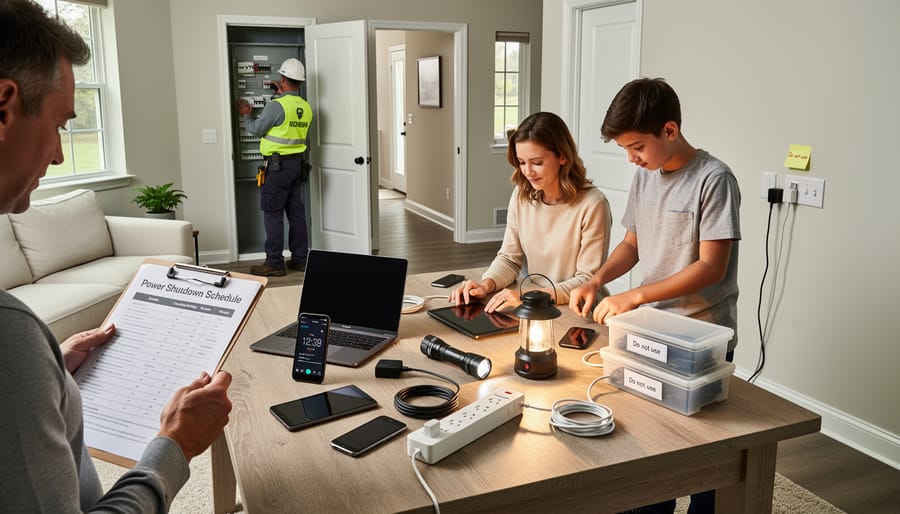
Panel relocation requires a full electrical shutdown, typically lasting four to eight hours depending on the complexity of your specific installation. Your licensed contractor will schedule this work during daylight hours and coordinate with you to minimize disruption, but you’ll need to plan ahead to protect your home and keep daily routines running smoothly.
Before the shutdown, walk through your home with your electrician to identify circuits that power critical systems. Medical equipment requiring continuous power, sump pumps in homes prone to flooding, and security systems may need temporary backup solutions. Your contractor can advise on battery backup units or alternate arrangements for the work period.
- Unplug computers, televisions, and sensitive electronics to protect them from potential power surges when service resumes
- Set refrigerator and freezer temperatures to their coldest settings the night before, then keep doors closed during the outage
- Charge phones, tablets, and laptops fully so you stay connected during the work
- Plan meals that don’t require cooking, or arrange to eat out if the shutdown extends past midday
- Adjust your schedule so young children or pets aren’t home during the noisiest phases of the work
Your electrician will establish a safety perimeter around the work area and may post warning signs. Keep family members and pets away from the panel locations (both old and new) throughout the day. Once the new panel is energized and passes inspection, your contractor will walk you through the updated breaker layout and explain any changes to circuit organization.
This temporary inconvenience is a one-time investment in a safer electrical system that properly supports your solar installation. Proper planning ensures the work proceeds smoothly and integrates seamlessly with your broader solar panel maintenance and system care over the years ahead.
7. Update Existing Wiring and Grounding Systems if Needed
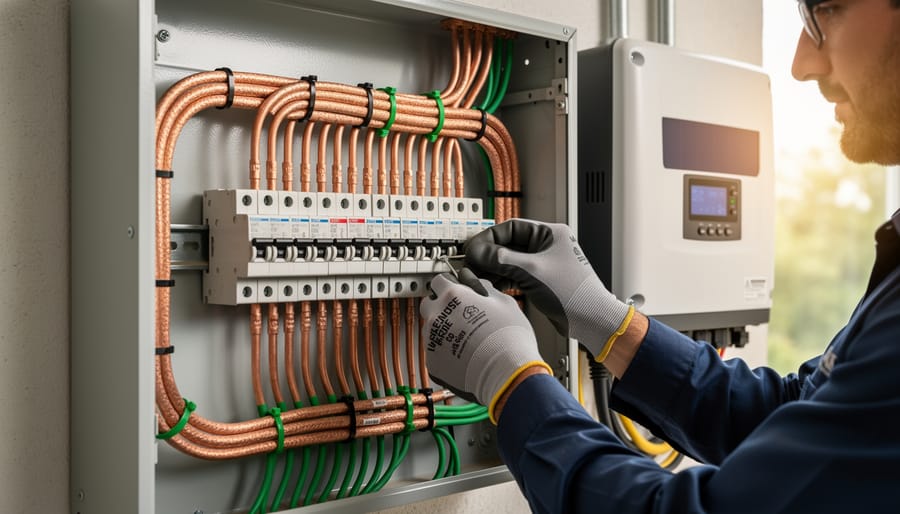
Moving your electrical panel often uncovers aging infrastructure that worked fine for household needs but needs attention before you add solar. Your contractor may find outdated wiring that doesn’t meet current capacity requirements, grounding systems that fall short of today’s safety standards, or circuits running near their limits. These aren’t necessarily problems, homes built decades ago were wired to code at the time, but solar adds a significant new electrical load and exposes your system to closer scrutiny during inspections.
Upgrading wiring and grounding during relocation makes practical sense. You’ve already hired a licensed electrician and opened walls for the panel move, so addressing these issues now costs less than coming back later. Modern copper grounding ensures your solar system operates safely under all conditions. Increasing circuit capacity prevents nuisance trips once your inverter is running. Many homeowners discover their insurance coverage improves after electrical upgrades, and appraisers recognize updated systems as adding value.
Your electrician will assess what’s required versus what’s simply recommended. Some upgrades are mandatory for code compliance; others enhance performance and future-proof your home. Either way, treating this as part of your overall solar investment protects your household and your equipment. If upfront costs are a concern, explore solar panel financing options that can roll electrical work into your project budget, spreading the investment across the system’s payback period.
8. Document Everything for Future Reference and Resale Value

Proper documentation turns your electrical panel relocation from a necessary expense into a valuable asset for your property. Once the work is complete and inspections pass, you’ll receive several critical documents that deserve careful organization and long-term storage.
Start a dedicated file, physical or digital, containing everything related to your panel relocation and solar installation. This becomes your electrical system’s permanent record and protects you in ways that aren’t immediately obvious.
Essential documents to keep include:
- ESA permit application and approval certificate
- Final inspection report with pass confirmation
- Licensed contractor’s invoice showing scope of work completed
- Electrical diagrams showing new panel location and circuit layout
- Warranty documents for the panel and any upgraded components
- Photographs of the completed installation before walls are closed
When you eventually sell your home, this documentation package demonstrates that your solar-equipped property meets all safety standards and was professionally installed. Prospective buyers and their home inspectors will appreciate the transparency, and mortgage lenders often require proof of permitted electrical work for solar homes.
Beyond resale value, these records simplify any future electrical work. If you need circuit modifications, additional solar capacity, or emergency repairs years from now, the electrician you hire will save time and quote more accurately when they can review the existing setup. You’ll also have clear proof of compliance if questions ever arise during insurance claims or utility interconnection updates.
Store copies in multiple locations, one set with your home documents, another with your solar installer’s project file, and digital backups in cloud storage. This simple habit protects a significant investment and keeps your electrical system’s history accessible for decades.
Common Questions About Panel Relocation and Solar Installation
Homeowners considering solar often have practical questions about the panel relocation process. Here are clear answers to the concerns we hear most frequently.
How much does electrical panel relocation typically cost?
Costs vary based on the complexity of your relocation, the distance the panel needs to move, and any wiring upgrades required. Your licensed contractor will provide a detailed quote after assessing your specific situation, including permit fees and inspection costs.
How long does the relocation process take?
Most panel relocations can be completed in one to two days of active work, though the overall timeline depends on permit processing and inspection scheduling. Planning ahead and coordinating with your solar installer helps avoid delays in your solar project.
Will relocating my panel affect my solar system warranty?
No, as long as the relocation is performed by a licensed electrical contractor and properly inspected. Quality solar installers coordinate with the electrical work to ensure all warranties remain valid.
How do I find a qualified contractor for panel relocation?
Look for contractors with current ESA certification and experience with solar installations. CANBIO connects homeowners with vetted solar installers who work with certified electrical contractors throughout Ontario.
The key to a smooth relocation is choosing professionals who understand both electrical code requirements and solar system integration. When you work with contractors experienced in solar projects, they anticipate potential issues and coordinate the work to keep your installation on schedule. Don’t hesitate to ask contractors about their experience with panel relocations for solar, it’s a common part of the process, and qualified professionals handle these projects routinely.
Electrical panel relocation doesn’t have to be overwhelming when you approach it with the right information and qualified professionals. By following these eight essential steps, you’re protecting your home, your investment, and your family’s safety throughout the solar installation process.
This checklist gives you a framework to ask informed questions, verify credentials, and ensure nothing gets overlooked during your transition to solar energy. Remember that proper electrical infrastructure isn’t just about meeting code, it’s about building a reliable foundation for decades of clean energy production.
CANBIO connects Ontario homeowners with certified solar installers who understand local requirements and coordinate seamlessly with licensed electrical contractors. When panel relocation becomes part of your solar project, working with experienced professionals who’ve navigated this process many times makes all the difference.
Ready to explore solar options for your home? Request personalized quotes from qualified installers in your area and get expert guidance on every aspect of your solar journey, including electrical considerations.
Leave a Reply